What Financial Freedom Taught Me About Money That School Never Did
Reading Financial Freedom by Grant Sabatier completely changed how I look at money. It’s not just about saving or investing, it’s about being intentional. The book made me rethink my spending habits, how I earn, and even how I invest. It also helped me weigh one of the biggest questions: should you pay off your mortgage early or invest that money instead? If your mortgage interest rate is higher than the average 7% annual return from index funds, it makes more sense to pay the mortgage first because debt interest compounds, too. This book truly reshaped how I see financial freedom, not just as a goal, but as a mindset.
BOOKS
10/21/20252 min read

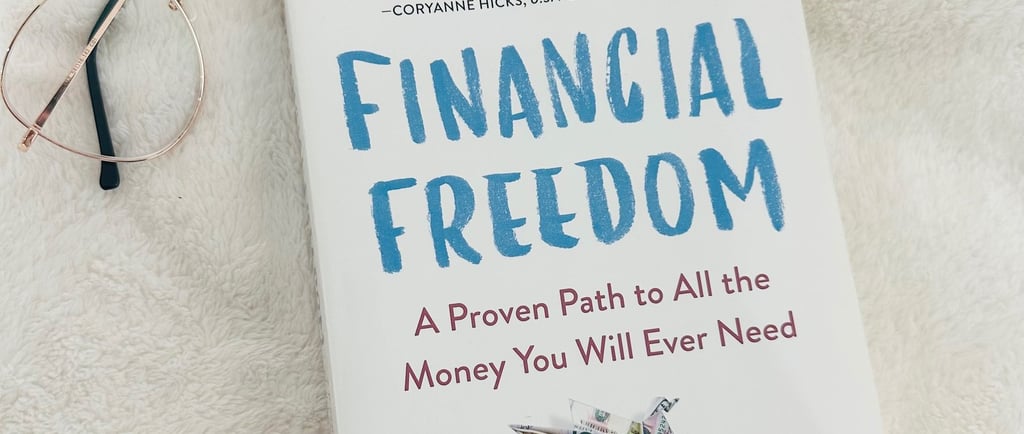
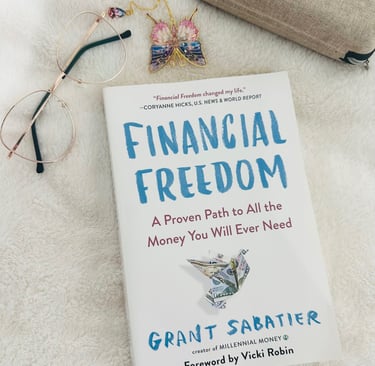
Hey there, everyone! Today, I want to share my thoughts on a book that has significantly impacted my financial perspective: "Financial Freedom" by Adam Grant. When I read the book, it didn’t feel like a typical finance book. It felt like a reality check — and a practical guide rolled into one. The biggest lesson I took away? Be intentional with every dollar.
Before reading it, I thought financial freedom was mostly about saving aggressively and investing early. But this book made me realize it’s not just about how much you earn or invest — it’s about how you spend. Sabatier talks a lot about intentional buying: spending on things that actually add value to your life instead of chasing stuff that only gives short-term happiness. It made me rethink those little “harmless” purchases that add up, and how much more meaningful it feels to spend on things that truly matter.
Another thing that stuck with me was his take on increasing income. Instead of focusing only on cutting costs, he shows how building new income streams can change your timeline completely. It’s not just about budgeting better — it’s about earning smarter.
He also talks about one of those big questions we all eventually face: should I pay off my mortgage early or invest the extra money? The book doesn’t give a one-size-fits-all answer — instead, it helps you think through your priorities, risk comfort, and what kind of freedom you’re actually aiming for. For some, it’s the peace of mind of being debt-free. For others, it’s watching their money grow in the market.
There’s also a section on index funds — how they’re one of the simplest, most effective ways to invest without needing to constantly check the market. Reading that part felt like a full-circle moment for me after reading The Elements of Investing by Burton Malkiel. Both books point to the same truth: wealth builds quietly, through patience and discipline.
In the end, Financial Freedom made me pause and ask, “What does money actually mean to me?” Because freedom isn’t just a number — it’s having the choice to live life on your terms.
Also check my other blog post about investing "So, Investing Isn't Complicated After All" if you want more personal finance books recommendations.
This post contains affiliate links. If you purchase through these links, I may earn a commission at no extra cost to you.
Connect
Join us for book and jewelry inspiration.
Explore
Inspire
© 2025. All rights reserved.
Affiliate Disclosure: As an Amazon Associate I earn from qualifying purchases. I also participate in other affiliate programs, including Digistore24. This means some links on this site are affiliate links, and I may earn a commission if you click through and make a purchase — at no extra cost to you. I only recommend products and services I genuinely believe in and think you’ll love.